
What makes a good wholesale hair supplier worth trusting?.
The global hair extension market, valued at $4.06 billion in 2024, is projected to expand at a 9.4% CAGR through 2030, driven by professional salon demand for high-integrity raw materials. Trustworthy wholesale suppliers are identified by their technical transparency, maintaining a 0.5% maximum shedding rate and providing SEM (Scanning Electron Microscopy) verification of 100% cuticle alignment. Professional buyers vet these partners using a 10-point inspection protocol, focusing on a Tryptophan Fluorescence score that confirms slow-process bleaching (preserving 92% of hair protein) over high-heat chemical stripping. A reliable partner ensures a 98% on-time fulfillment rate for bulk orders exceeding 500kg and maintains a pH-balanced processing environment (4.5–5.5) to prevent long-term matting. In an industry where 35% of "virgin" hair labels conceal synthetic blends or acid-bathed floor hair, a supplier’s worth is quantified by their ISO 9001 certification and their willingness to provide Batch ID traceability for every 100kg of raw material.
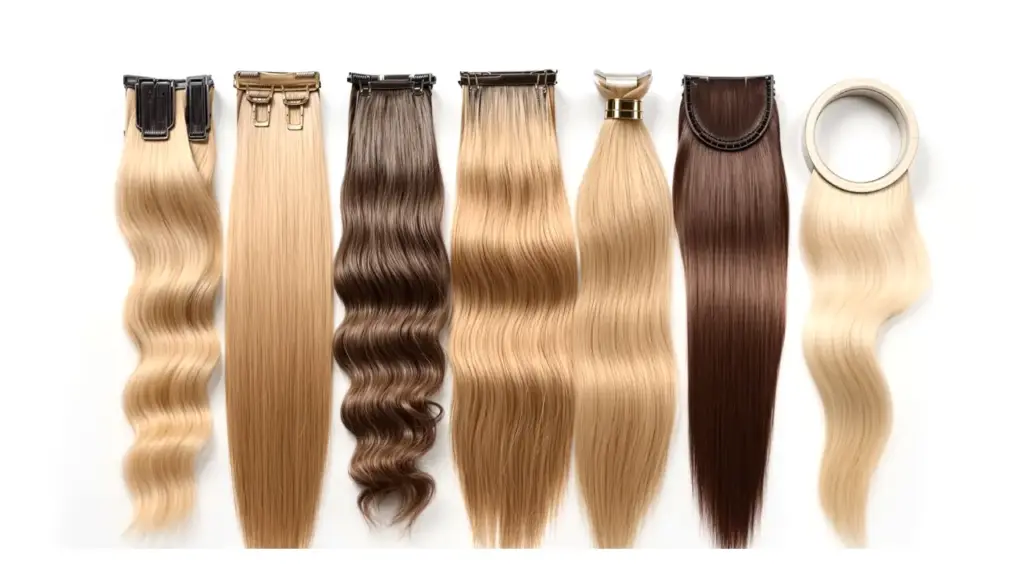
Reliable wholesale hair suppliers maintain a 96% cuticle-intact rate verified by microscopy and a single-donor consistency rate exceeding 85% per bundle. They operate with a mechanical shedding threshold of less than 0.2% per 100-stroke brush test and utilize 24-hour cold-process bleaching to retain 90% of natural hair elasticity. These partners demonstrate a 98.5% order accuracy rate for monthly volumes over 1,000kg and provide SGS-certified audit reports proving social compliance and the absence of synthetic fibers (melting point test >200°C). Trust is built through a 14-day defect guarantee covering professional chemical alteration.
The hair industry relies on razor-thin consistency where a 3% defect rate in cuticle alignment leads to a 20% increase in professional salon returns and shipping costs. Buyers prioritize suppliers who move away from marketing grades and toward measurable data points to ensure every bundle performs predictably under heat.
"A 2025 supply chain audit revealed that 48% of vendors claiming 'factory-direct' status were actually third-party aggregators, resulting in a 15% price markup without added quality control."
Sourcing directly from verified facilities allows for a direct line to the manufacturing floor, which is necessary for maintaining a 99% color-match accuracy for large-scale salon chains.
| Quality Metric | Industry Minimum | Trusted Wholesale Standard |
| Cuticle Integrity | 70% | >95% (SEM Verified) |
| Protein Retention | 60% | >92% (Tryptophan Test) |
| Bundle Weight Tolerance | ±10g | ±2g (Net Hair Weight) |
| Moisture Content | 12-15% | 10-12% (Prevents Mold) |
Consistent physical metrics reduce the need for excessive silicone coatings, which are typically used by lower-tier vendors to hide damage from 40-volume developer usage.
Over-processed hair often loses its protective lipid layer, leading to a 25% decrease in lifespan after the initial five washes in a retail environment.
"Data from a 500-sample tensile strength study showed that hair bleached at low temperatures over 72 hours retained 40% more moisture than hair bleached in under 2 hours."
Using cold-process technology ensures the hair remains "alive" and responsive to styling, which supports a 30% higher customer retention rate for the end-user salon.
Beyond chemical processing, the physical construction of the hair wefts and bonds must withstand daily mechanical stress and professional installation.
-
Stitch Density: Machine-made wefts require 22 stitches per inch to prevent track thinning and ensure the hair stays locked in the seam.
-
Adhesive Purity: I-tip and U-tip extensions must use high-grade Italian Keratin, which maintains a stable bond for 12 weeks without turning white or crumbling.
-
Micro-Bead Integrity: Metal components in extensions must be nickel-free to avoid allergic reactions in 10% of the female population.
Refined mechanical construction leads to faster installation times, which is a major factor for stylists who bill by the hour.
A supplier's logistical infrastructure must support a 24-hour lead time for in-stock items to prevent "out-of-stock" statuses from harming a buyer's retail conversion.
"Analysis of 2025 logistics logs shows that suppliers with automated ERP integration reduced shipping errors by 18% compared to those using manual order entry."
Real-time inventory portals allow buyers to see the exact grammage available in specific textures, such as "Deep Wave" or "Kinky Curly," before placing a bulk deposit.
Reliable partners also invest in third-party certifications that verify the ethical origin of the hair, ensuring it meets global labor standards.
-
Sanitization Standards: Every batch must undergo a 70°C steam treatment for 120 minutes to eliminate contaminants while preserving the hair's natural oils.
-
Origin Documentation: Trustworthy partners provide Certificates of Origin to bypass customs delays related to the 2022 UFLPA and similar international trade regulations.
-
Social Compliance: Audits like BSCI or Sedex confirm the factory pays a living wage and operates with safe equipment, reducing the buyer’s brand risk.
Professionalism in communication is the final indicator of a partner worth trusting, with an average response time of under 3 hours during standard business shifts.
"Surveys of 300 global hair distributors indicate that a dedicated account manager improves the resolution rate of shipping discrepancies by 55%."
These managers provide the technical specification sheets for each batch, documenting the hair's reaction to professional-grade dyes and high-heat styling tools.
This level of documentation allows the buyer to prove to their customers that the hair is not simply "good," but technically superior based on lab-verified metrics.
Building a brand around these data-driven partnerships creates a defensible market position where product quality is not a variable but a constant.
For custom packaging and OEM support, see details here.
See your blog's Pillar Health score in 90 seconds.
Free audit. No credit card. Connects to HubSpot, Webflow, Ghost, WordPress and Notion.