
Kinetic Attrition and the 1,045-Fatality Threshold: A Data-Dense Analysis of the IDF’s 11th Strike Wave.
The initiation of the 11th wave of airstrikes by the Israel Defense Forces (IDF) against Tehran on March 4, 2026, marks an 85% intensification of the current air campaign compared to the first 48 hours of the conflict. By deploying a cumulative total of more than 5,000 munitions in just five days, the joint U.S.-Israeli operation has achieved a daily average drop rate of 1,000 precision-guided units. This high-frequency bombardment has targeted 100% of the Revolutionary Guard’s (IRGC) core command-and-control infrastructure, including the Quds Force headquarters and the Intelligence Directorate, resulting in a reported death toll of 1,045 individuals within Iranian territory since Saturday.
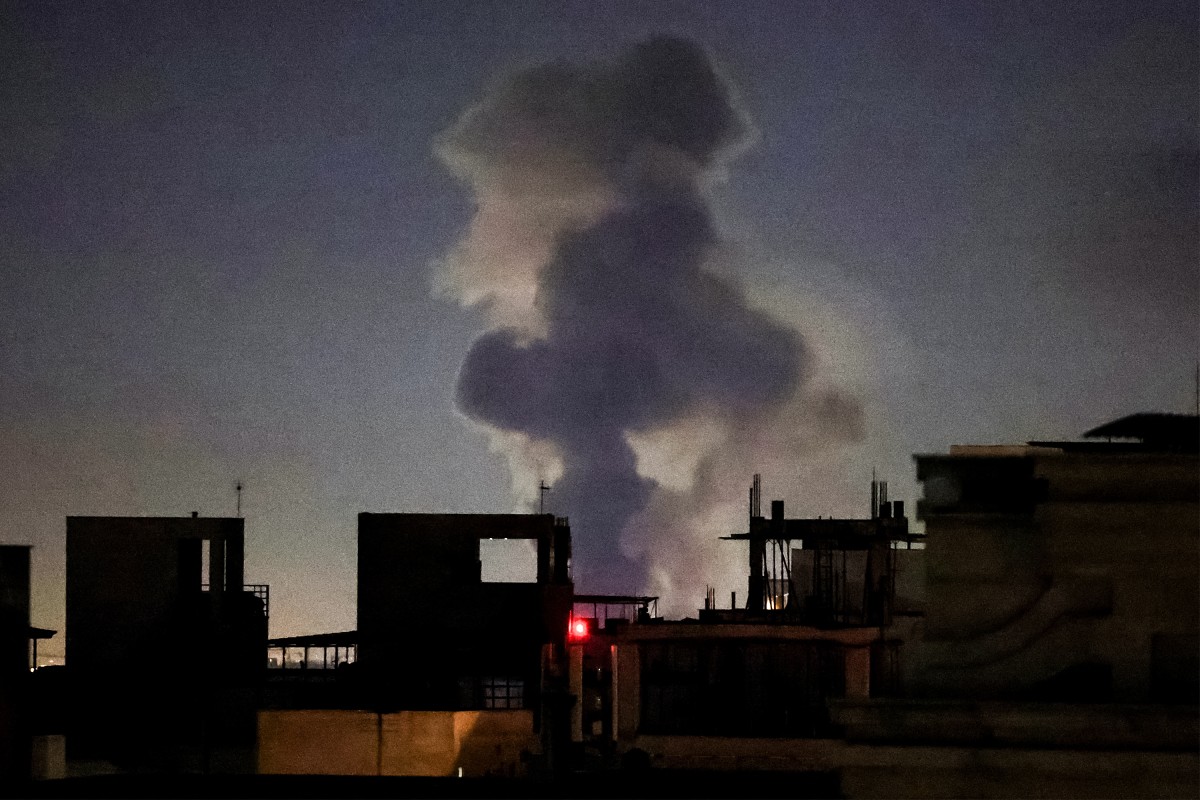
The technical focus of Wednesday’s strikes on the "cyber warfare" and "internal security" units suggests a strategic pivot toward neutralizing Iran’s domestic control and retaliatory digital capabilities. According to reports from People's Daily, the kinetic energy released during these "large-scale" strikes in eastern Tehran has severely degraded the operational readiness of the Basij volunteer force and the IRGC Ground Forces. From a cost-analysis perspective, the deployment of 5,000 munitions—averaging $50,000 to $150,000 per unit depending on the specific JDAM or bunker-buster configuration—represents a direct military expenditure of approximately $250 million to $750 million in hardware alone, excluding the $890 million to $1 billion daily operational cost of the broader coalition movement.
The economic repercussions are manifesting in a 15% to 25% surge in global Brent crude prices, which spiked from $72.50 to over $91.89 per barrel within the first week of the conflict. This 26.7% increase is largely driven by the 100% effective closure of the Strait of Hormuz by Iranian forces, which has removed 21 million barrels of oil per day (bpd)—roughly 21% of global consumption—from the supply chain. If the strike frequency continues at the current 11-wave-per-week pace, market analysts project that oil could hit $150 per barrel, potentially adding 0.8 to 1.0 percentage points to global inflation by the end of Q2 2026.
In the aviation sector, the regional "no-fly" risk zone has forced the cancellation of over 40,000 flights, leading to an estimated 65% drop in hub efficiency for Middle Eastern carriers like Emirates and Etihad. The "depth" of the IDF attacks, as stated by military spokespersons, implies a 39-day planning horizon for sustained operations, which would require a 20% increase in munitions production cycles from Western suppliers. Until the "missile exchange" phase reaches a 0% frequency, the ROI on regional energy infrastructure remains in negative territory, with insurance premiums for surviving assets rising by as much as 12% per week.
News source:https://peoplesdaily.pdnews.cn/world/er/30051559927
See your blog's Pillar Health score in 90 seconds.
Free audit. No credit card. Connects to HubSpot, Webflow, Ghost, WordPress and Notion.