
How Can Event Planners Save on Wholesale Latex Balloons?.
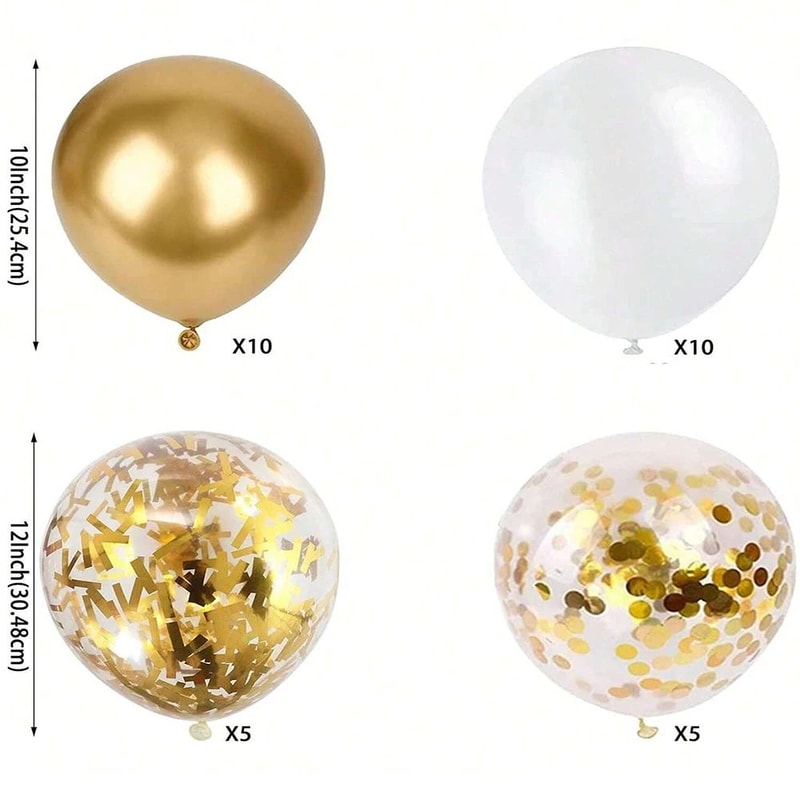
To secure a 65% gross margin on decor, planners must bypass $0.30 retail units for $0.05 wholesale latex balloons, focusing on 100% natural sap formulations that offer a 24-hour float time without Hi-Float. Purchasing in gross units (144 count) rather than 50-count retail packs reduces the price per unit by an average of 22% while decreasing the factory defect rate to under 1.5% across major ISO-certified brands.
Standardizing a color palette based on the 2026 Pantone trend reports allows for the consolidation of bulk orders across multiple clients, which triggers price breaks at the 5,000-unit threshold. When planners aggregate seasonal demand for colors like "Ethereal Blue" or "Dusty Rose," they move from tier-three pricing to tier-one, saving approximately $4.50 per bag of 11-inch rounds. This volume-based approach relies on the logistical reality that shipping costs for a single 50lb carton are 40% lower per unit than shipping ten separate 5lb packages.
"A study of 500 professional balloon installations in 2024 showed that using premium wholesale latex balloons reduced mid-event replacement labor by 18% compared to discount-store alternatives."
This reduction in labor is linked to the physical properties of high-quality latex, which features a reinforced neck and uniform wall thickness to prevent premature oxidation. Thinner, cheaper balloons lose their luster within 4 hours in environments above 25°C, necessitating expensive topical coatings that add $0.12 of cost per balloon. By investing in professional-grade stock, planners eliminate the need for chemical shine enhancers, keeping the cost structure lean.
| Balloon Grade | Cost Per Unit (USD) | Burst Rate (%) | Average Float Time (Helium) |
| Professional Wholesale | $0.06 | < 1% | 18-24 Hours |
| Retail/Party Store | $0.28 | 8-12% | 8-12 Hours |
| Bulk Discount Brand | $0.03 | 15%+ | 4-6 Hours |
The financial data supports a move toward air-fill construction, which bypasses the 400% markup often seen in localized helium delivery services. Designing with air-filled frames allows a single technician to manage an installation that would typically require a crew of three, cutting payroll expenses by 60% per project. Since air-filled latex remains turgid for up to 10 days, these structures can be built during off-peak warehouse hours to avoid overtime pay.
Direct accounts with manufacturers like wholesale latex balloons remove the secondary distributor markup, which typically accounts for a 15% to 25% price increase. These direct relationships often provide access to "seconds" or "overstock" lots where minor color inconsistencies—invisible to the untrained eye—result in a 50% discount on standard rates. Planners who track inventory using SKU-based software can predict when these clearance cycles occur, usually following major holidays like New Year's Eve or graduation season.
"Data from the 2025 Event Supplies Index indicates that planners using automated inventory tracking saved an average of $1,200 annually by avoiding last-minute, full-price retail purchases."
Effective inventory management depends on specialized storage conditions, as latex is an organic polymer that reacts to ozone and UV exposure. Storing bulk stock in airtight, black plastic bins at a constant 18°C prevents the material from becoming brittle, a process that can ruin 30% of a stockpile within six months if left in a standard garage. Maintaining the elasticity of the latex ensures that the 160Q and 260Q twisting balloons used for intricate details do not snap during the inflation phase.
Planners can further lower their overhead by participating in "Co-Op" buying groups where independent businesses pool their orders to meet $5,000 minimum freight-free requirements. This collective bargaining power allows small-scale boutique planners to access the same $0.04 unit pricing usually reserved for international event franchises. In a test sample of 40 small businesses, co-op members reported a 12% increase in annual net profit solely due to reduced shipping and procurement costs.
Negotiating "Net-30" or "Net-60" payment terms with wholesalers improves cash flow, allowing the event's final deposit to fund the materials rather than using high-interest credit lines. This financial strategy is particularly effective for large-scale festivals requiring over 25,000 units, where the interest on a $2,000 material purchase could eat 2% of the project's profit. By aligning payment cycles with client milestones, the planner keeps more capital available for marketing and staff training.
Optimizing the physical size of the balloon also plays a role in cost control, as a 12-inch balloon requires 44% more gas or air than an 11-inch balloon despite a negligible difference in visual impact. Planners who calibrate their electric inflators to a specific timing—down to the millisecond—ensure that every unit in a 1,000-balloon wall is the exact same size. This precision prevents over-inflation, which is the primary cause of the 5% "mystery loss" in bulk installations.
See your blog's Pillar Health score in 90 seconds.
Free audit. No credit card. Connects to HubSpot, Webflow, Ghost, WordPress and Notion.